Innovation, collaboration and community
Want to find out more about Fashion for Good? Watch this video to see how our focus on innovation, collaboration, and community can reimagine the fashion industry. It gives a snapshot of who we are, what we want to achieve and how we aim to achieve it.
10 May 2017
AMSTERDAM- Want to find out more about Fashion for Good? Watch this video to see how our focus on innovation, collaboration, and community can reimagine the fashion industry. It gives a snapshot of who we are, what we want to achieve and how we aim to achieve it.
We aim to transform the global fashion industry by sparking the power of collective action. The initiative brings together major brands, start-ups, suppliers and retailers to accelerate toward a world of only good fashion.
And we’ve already reached some milestones since our Call for Collaboration at the end of March: we announced the first cohort of start-ups on our early-stage accelerator programme, we introduced a an open-sourced Good Fashion Guide based on the lessons we learned while creating the world’s first Cradle to Cradle Certified™ GOLD garment alongside C&A and opened our doors to the public at the launchpad exhibition of the Fashion for Good Experience centre in Amsterdam.
Other Articles
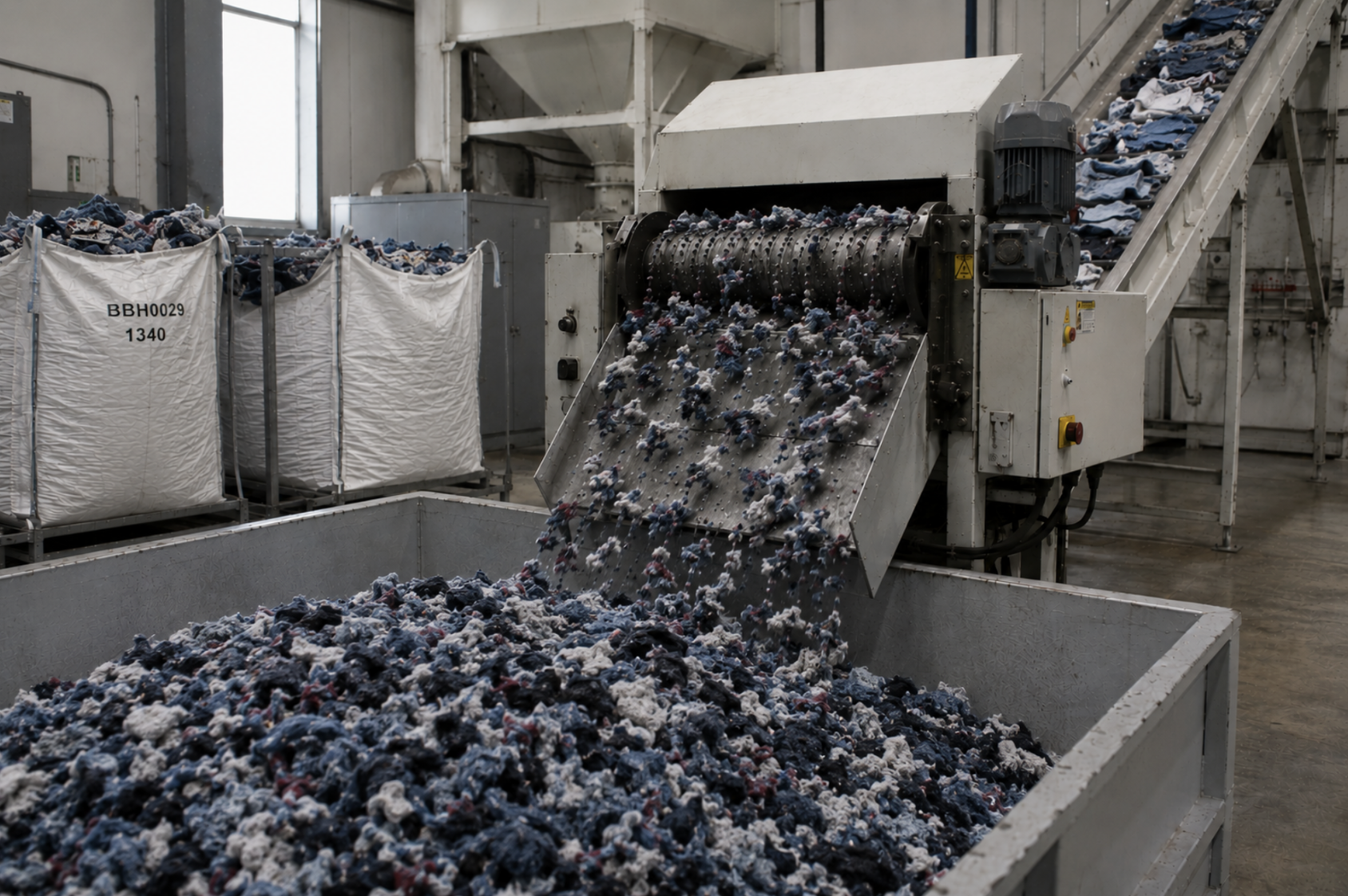
Fashion for Good Launches The Cotton Reloop Matrix Project To Unlock Commercial Scale For Recycled Cotton
AMSTERDAM - Fashion for Good today announces the launch of the Cotton Reloop Matrix Project, a cross-industry initiative that will map and physically validate the quality of commercially available recycled cotton yarns against brand specifications, giving the industry a data-backed overview of how quality, price, and recycled content intersect. The project is convened with Fashion for Good partners Arvind, BESTSELLER, C&A, Interloop, Reformation, Shahi, and ecosystem partner Uster.
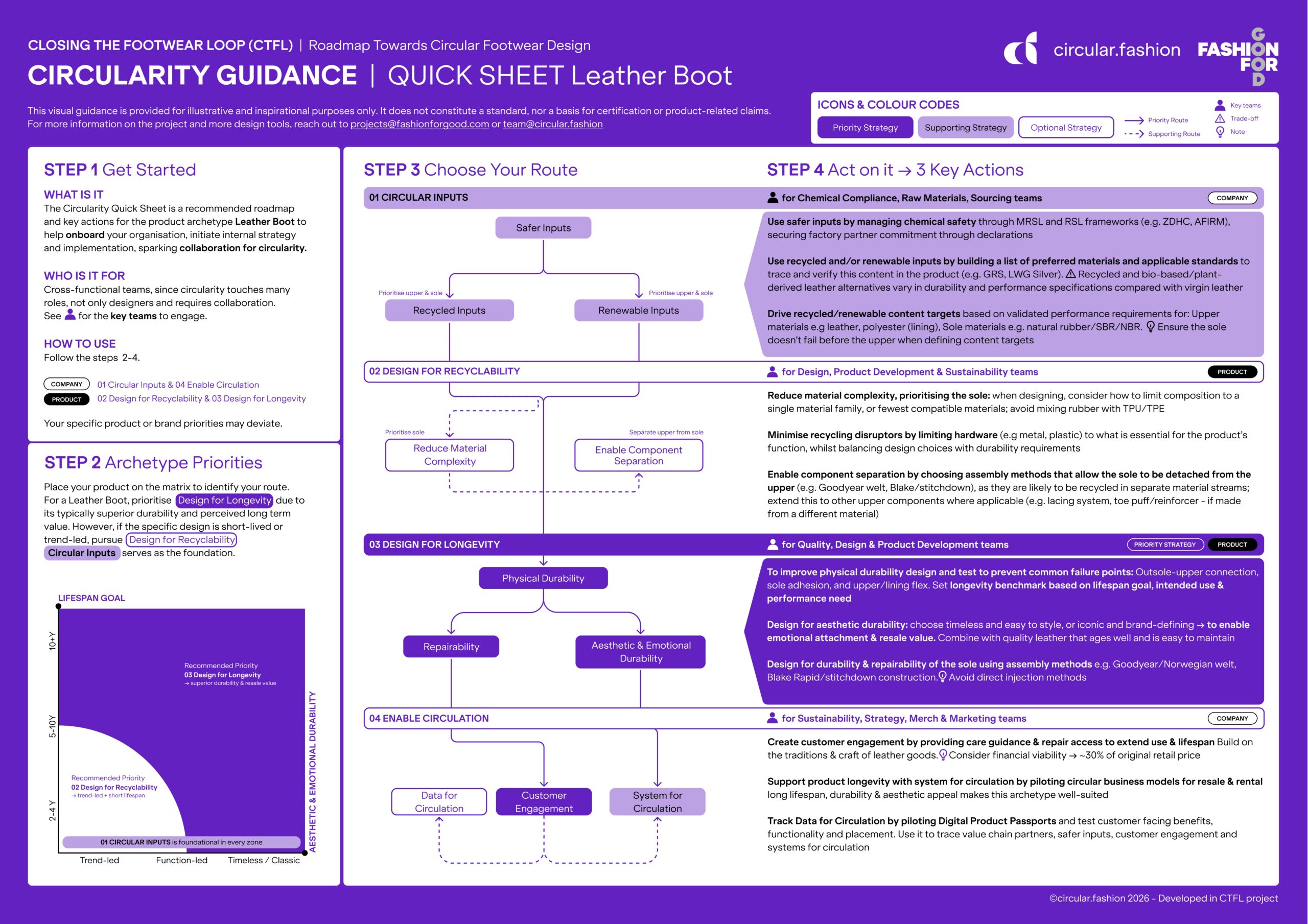
Fashion for Good Launches Today the Footwear Circularity Guidance Quick Sheet
As part of Phase 2 of Closing The Footwear Loop, Fashion for Good launcheds today the Footwear Circularity Guidance Quick Sheet, introducing four considerations for designing footwear for circularity: Circular Inputs, Design for Longevity, Design for Recyclability and Enable Circulation.

Wendy Woods Named Chair of the Fashion for Good BV Board
AMSTERDAM - Fashion for Good is pleased to welcome Wendy Woods as its new board chair, succeeding Jill Beraud as of 1 September 2026, who had led the board since 2022.
