15 innovations set to change the fashion industry?
Fashion for Good-Plug and Play accelerator announces third batch of start-ups
19 March 2018
AMSTERDAM– From biodegradable glitter to fabrics made from seaweed or orange fibres – these are the next generation innovators that will be supported by the Fashion for Good-Plug and Play Accelerator.
As of today, fifteen selected start-ups will follow a robust curriculum over the next twelve weeks including mentorship from the Accelerator’s partners adidas, C&A, Galeries Lafayette, Kering, Target and Zalando, with the aim to transform the fashion industry for good.
Other Articles
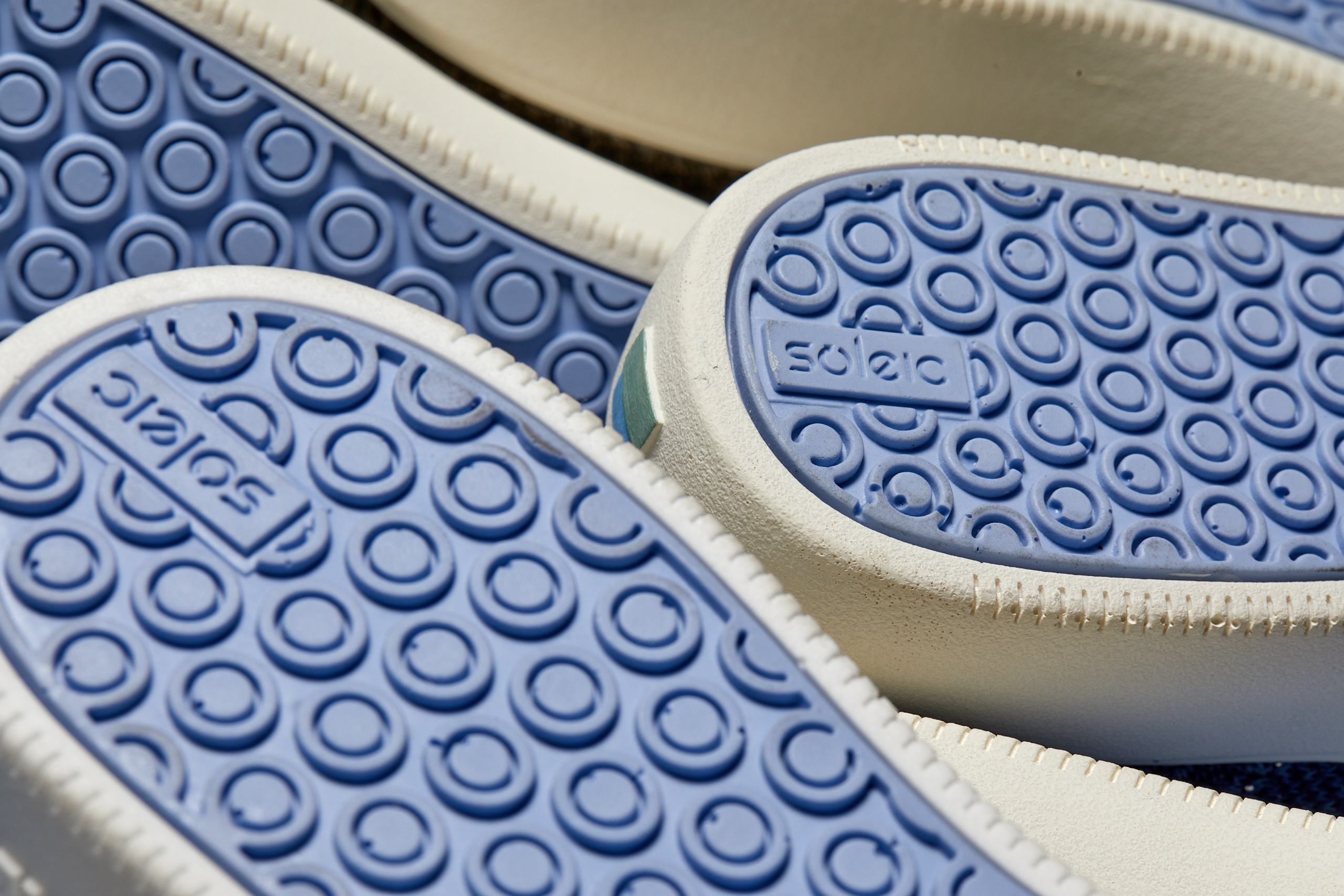
In Conversation with Algenesis Labs: Giving the breakdown on biodegradable footwear
The Fashion for Good team interviewed Algenesis Labs CEO, Dr. Stephen Mayfield, to learn more about the innovator’s story, technology, challenges, and successes and showcase innovations that are driving tangible change in the industry and leading the path to scale.
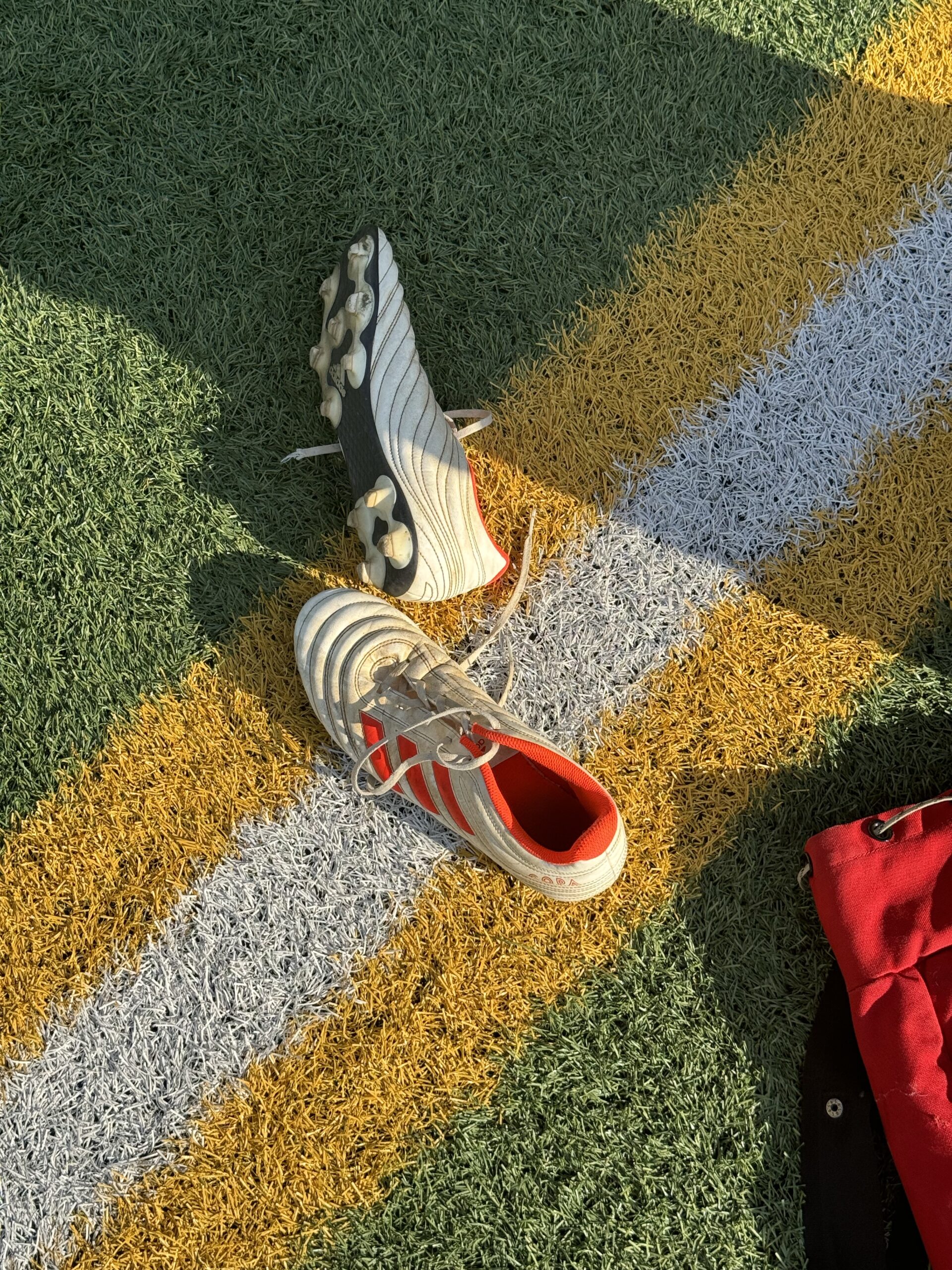
What's Really Inside Your Running Shoe? Unpacking Footwear Material Innovation
You might think the biggest challenge in running shoes is performance: speed, cushioning, energy return. The harder problem lies in material compatibility: how do you create a cushioned midsole that's light, responsive, and durable, while also being recyclable? How do you bond different materials together strongly enough to withstand thousands of impacts, but reversibly enough to separate them later? These aren't just design questions, but materials science problems. In this article, we unpack the hidden complexity of running shoes, the challenges of conventional materials, and where the highest potential for material innovation lies.

Advancing The Future Of Stretch: Fashion for Good Launches New Project To Validate Bio-based And Recycled Elastane
Stretching Circularity is a collaborative project initiated by Fashion for Good dedicated to accelerating the adoption of lower-impact elastane alternatives that are compatible with circular textile systems. By validating bio-based and recycled elastane solutions through pilot-scale testing and demonstrator garments, the initiative aims to remove one of the most significant technical barriers to a circular textile economy.
